MARCH 2026 MONTHLY BLOG
By Laura Hunnewell
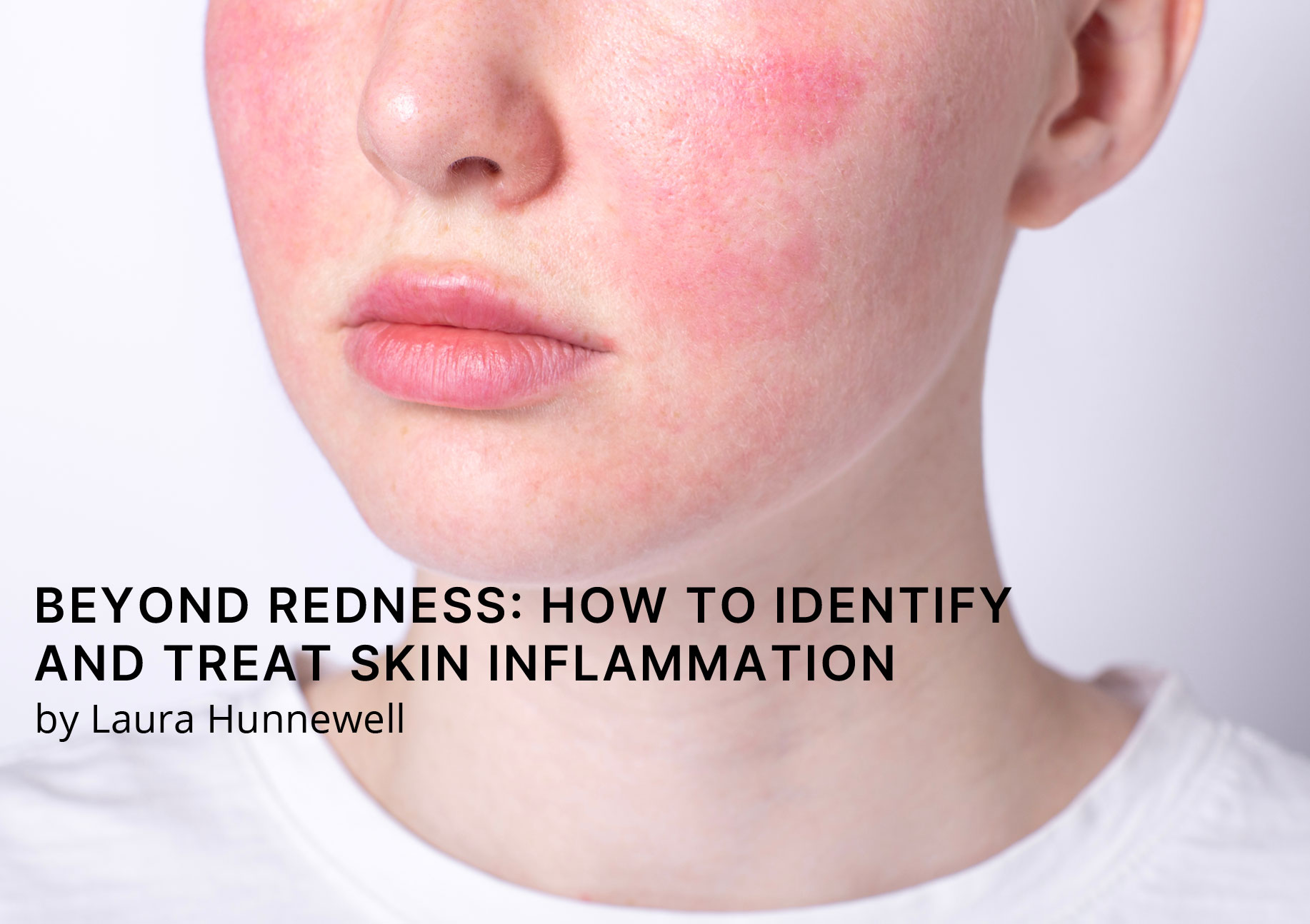
Sensitive skin is characterized by high reactivity. It can be triggered by anything from active ingredients and professional treatments to the detergents in hotel bedding. This inflammation presents as visible redness and flushing, but the true symptoms are often felt rather than seen. If your skin feels tight, itchy, or has a distinct burning sensation, you aren’t just sensitive, you’re likely inflamed.
Hot, cold, windy… our skin notices it all. Dry air, sun, or windburn can leave your skin irritated or inflamed. A little extra care—like moisturizer, SPF, and lip balm—goes a long way to keep it happy no matter the weather.

There is nothing like soaking up the sun, and our bodies do need vitamin D! Just remember to protect your skin: use an SPF of at least thirty and reapply often. Choose sunscreens with zinc or titanium dioxide. And my favorite rule? Wear a hat! Any hat works—a sun hat, a baseball cap… When hiking, an all-around coverage hat with a back flap is ideal to keep you cool and protect your neck.
Air pollution is also included in the environmental category – contributing to premature aging.
At Hale and Hush, this is a topic we emphasize frequently. We have explored it in blogs, classes, and webinars because it’s so important to avoid overdoing it. With countless products on the market—and misinformation circulating on social media and TikTok—your esthetician is your best guide. Think of them as your skincare bestie! And if something falls outside our scope, we have trusted dermatologists we love to refer you to.
Stress and Lifestyle Factors affect your skin. Elevated cortisol levels can trigger flare-ups, particularly for conditions like rosacea. The National Rosacea Society website offers excellent resources and information to help manage these triggers.
Every time you intentionally “strip” the skin, you are forcing it into a healing crisis. The question is: is it necessary? Think of your skin like any other wound, it requires time to repair. Pushing sensitive skin too hard doesn’t accelerate results; it slows recovery and risks long-term damage. Instead of aggressive peeling, consider enzymes or lactic acid. These provide gentle exfoliation while replenishing moisture. At Hale & Hush, we prioritize this balance with our professional treatments, specifically our Incredible Enzymes and Beedazzle Revitalize gel, to refine the skin without the trauma.
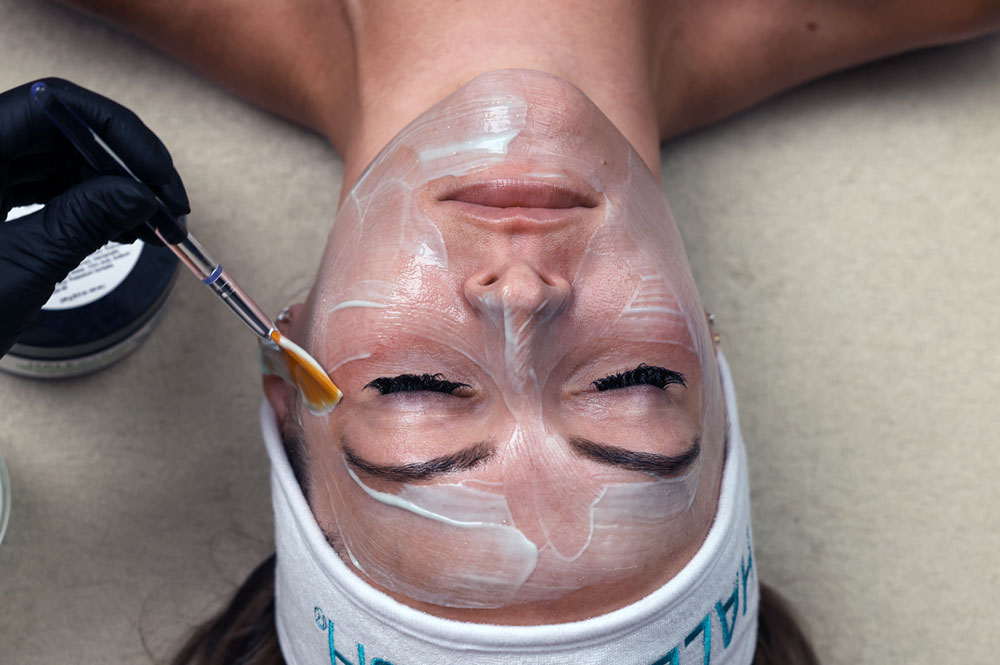
As Estheticians, we dedicate considerable time to skin analysis because we need to establish the skin’s baseline before beginning any treatment. If the skin is in a reactive state, we pivot to our “soothing toolkit” first. By prioritizing a calming phase, we stabilize the skin’s barrier, ensuring it is healthy enough to handle—and truly benefit from—more corrective results later.
If the skin shows signs of distress during a session, we pivot to a recovery approach. We pause active treatments in favor of cool compresses and specialized calming masks to soothe reactivity. Consider incorporating rhythmic, gentle movements like scalp or arm massages. These are not just for luxury, they are designed to reduce the physical stress and anxiety that often trigger skin inflammation, ensuring the client feels comfortable and balanced!
Just like in life, skin doesn’t respond well to being forced. Taking the time to nourish, support, and maintain skin health is far more effective than rushing results. Think of treatments as helping the skin do its job, rather than forcing it to change.

Sensitive skin is not a flaw. It is simply an alert for you to address the inflammation that leads to heathier skin! A calm approach creates long-term results, and this is learned through educating your client to pay attention to the signs that might cause them flares and distress.
Add a sensitive skin consultation to your service menu. It is a super way to get to know your clients and discuss their needs and concerns. This allows you to refer them to a medical professional if it is not something you can treat or book extra time if they want the facial right away!
Create a home checklist or guide for clients to help manage their skin inflammation and sensitivity.
If multiple boxes are checked, your client’s skin is probably inflamed—not just sensitive. A good plan would be to: Calm, strengthen and correct.
Our favorite go-to is the Hale and Hush Trifecta. This trio is a must-have for every professional! It soothes, calms, and cools, making it the ideal starting point for every client. Keep it readily available to quickly alleviate redness or irritation following treatments. Cleanse with Quiet Wash, mix Hush Hush Hydrate Gel and Relief Bio Powder in a small dish and apply with a mask brush. Incorporate a cold cube massage or our stainless-steel roller which can provide instant calm and redness reduction. Sell it as a home care kit so the client can do this when the skin flares up. Do not forget internal hydration. Water is perfect—sparkling European ones are my personal favorite for a little mineral boost.
When something is out of your scope, refer to a medical professional. Estheticians can do a lot, but if the skin is reacting aggressively or there are open lesions, medical guidance is key to prevent infection and safely handle the client’s needs.
Encourage clients to keep a skin journal—noting when flare-ups happen can reveal patterns or triggers. Recommend a dietitian to find immune-boosting foods that work for them. And don’t underestimate small lifestyle helpers: air purifiers indoors and humidifiers in dry environments can make a noticeable difference.
With these steps, you are not just treating skin, you are supporting it, helping it bounce back stronger, calmer, and healthier.
– Aarin Murphy-Hiscock