OCTOBER 2026 MONTHLY BLOG
By Laura Hunnewell
Oncology esthetics is a specialized area of skincare that pairs advanced, specialized training with careful product selection. It is thoughtfully designed for individuals undergoing active cancer treatment, those in recovery, and long-term survivors.
During treatments like chemotherapy and radiation, the skin barrier is often compromised. Clients frequently experience irritation, severe dryness, flakiness, and photosensitivity. The goal of oncology esthetics is to restore and comfort the skin barrier while supporting the individual’s overall spirit and emotional well-being.
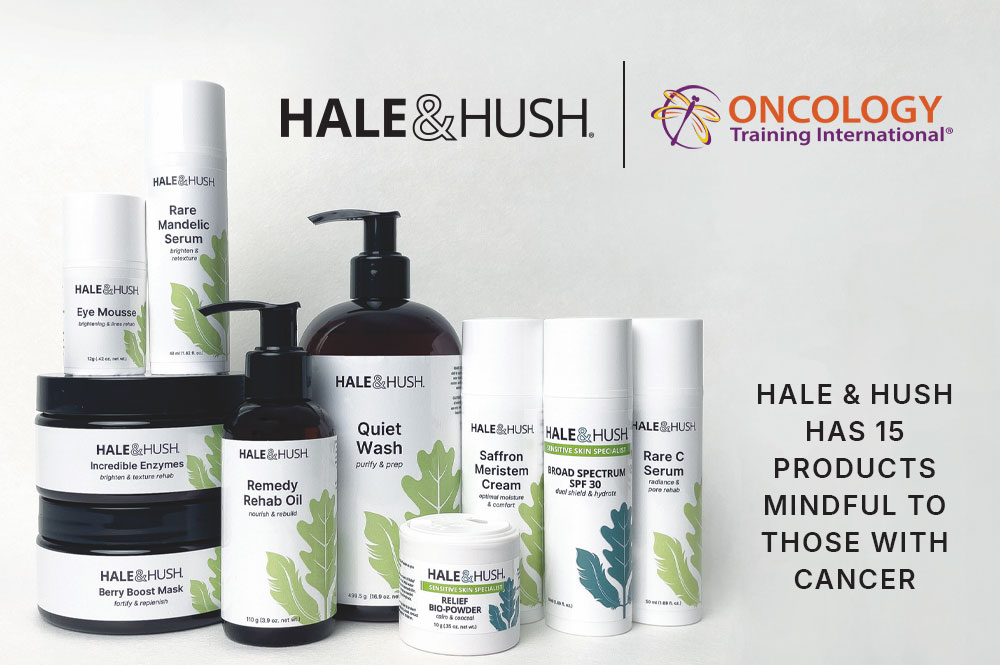
Product safety is priority number one when working with compromised skin. Active or over-stimulating formulas should be swapped for gentle, barrier-nourishing products that soothe and calm.
Hale & Hush has always been rooted in oncology esthetics, offering options designed specifically for compromised skin barriers. Founder Kris Campbell takes great measures to ensure all formulations are clean, free of harmful irritants, and held to the highest safety standards.
A Quick Note on Formulation: While products applied to healthy skin are absorbed into the outer layers, a compromised skin barrier absorbs irritants far more easily. Keeping formulas clean, gentle, and non-sensitizing is critical.
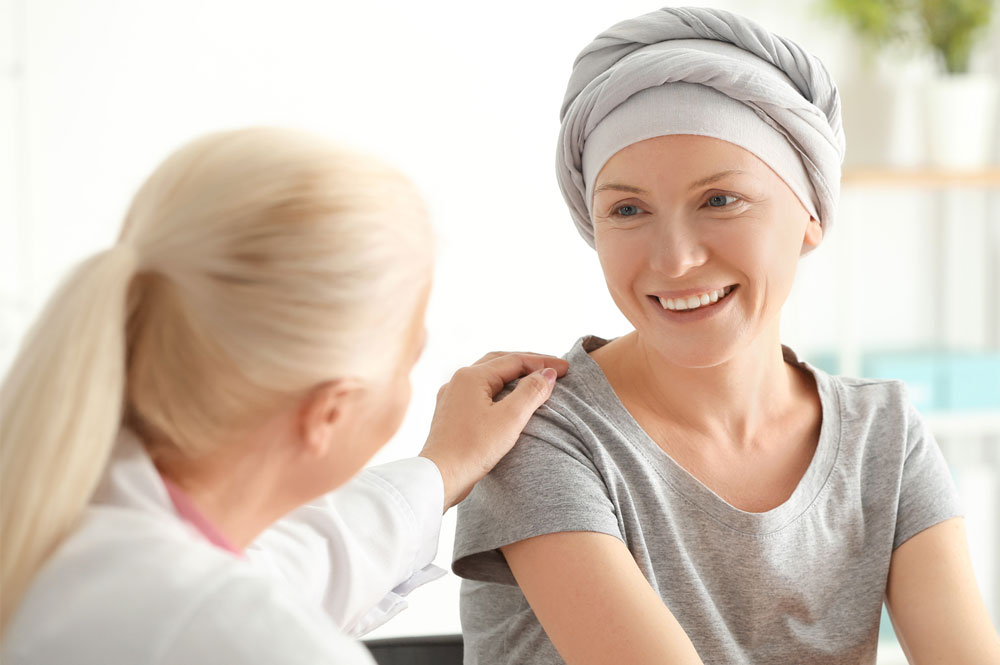
Creating a sanctuary starts with your environment. Small adjustments distinguish your treatment room from a clinical setting. A good place to start is by optimizing physical comfort. Use soft lighting or install dimmer switches. Add an assortment of lightweight blankets, and supportive pillows. Always offer options so the client can control their setup!
Offer gentle scalp moisturization and light, soothing scalp massages—the rhythmic, gentle movement over the head provides deep relaxation during a facial. Be mindful of pressure; even the resting weight of your hands can feel intense on a tender scalp.
Physical appearance changes during treatment. A genuine, gentle compliment goes a long way toward helping clients feel seen as themselves, not just as patients.
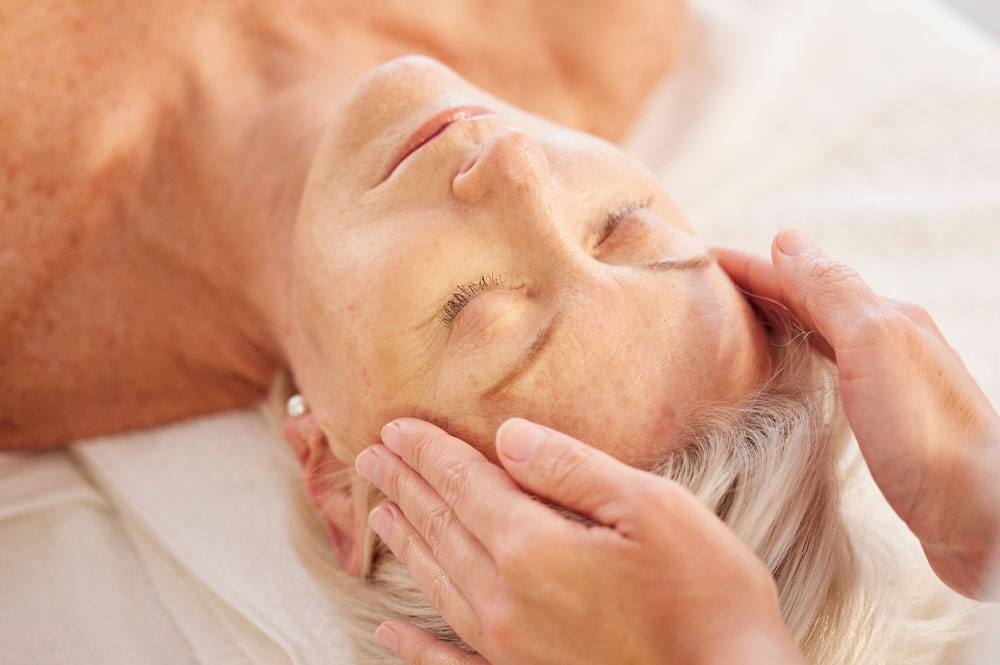
Because cancer treatments impact the immune system, strict hygiene and sanitation are non-negotiable. However, touch remains an essential human need. Safe, compassionate touch brings relaxation, comfort, and emotional connection.
When cancer is involved, the way we touch clients changes. Estheticians must carefully review medical history and adapt their pressure and techniques accordingly. If you are not yet certified in oncology esthetics and a client has had lymph nodes removed or radiated, referring them to a certified specialist is essential to avoid complications like lymphedema.
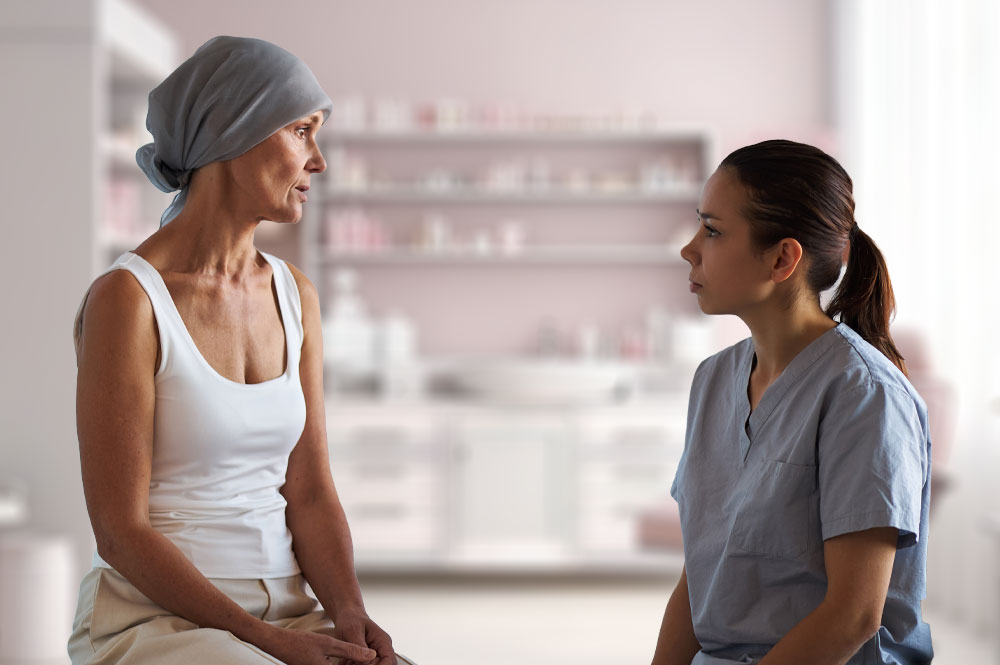
Your treatment space sets the scene for how a client feels. Creating a safe, non-judgmental environment allows clients to decompress and express their needs after endless medical appointments.
Be comfortable discussing the loss of hair, eyebrows, eyelashes, or skin radiance. Normalize these changes without overwhelming the client. Let them lead the conversation, then offer your guidance to help them feel like themselves again.
A thorough intake process is essential. Always encourage your client to obtain oncologist clearance when required.
At Hale & Hush, we strongly recommend formal training through Oncology Training International (OTI). This unique and specialized training teaches you how to:

Operating within your scope of practice is essential. Be mindful of your language, and if you are not yet trained in oncology esthetics, build a referral network of qualified local specialists or hospitals with integrated wellness units.
For oncology-trained estheticians, managing your own energy is just as important as providing care. Holding space for others requires emotional energy. If you’re feeling drained or depleted, you simply can’t give your clients the best version of you.
Clients may experience intense physical and emotional exhaustion. Just as a client might reschedule when unwell, do not hesitate to adjust your schedule if you are not operating at full capacity! Even if you are struggling with something that has been weighing on you, this can come out in your practice with your hands. Being in a good mood and feeling capable of handling a full workday is very important. Your actions and the things you say can affect someone’s day.
Compassionate skincare does far more than just soothe and balance skin during a facial. It lifts someone up who is carrying a lot. When you bring a calm, steady presence and real heart into your space, your treatment room turns into a sanctuary where clients can finally take a breath and let go.
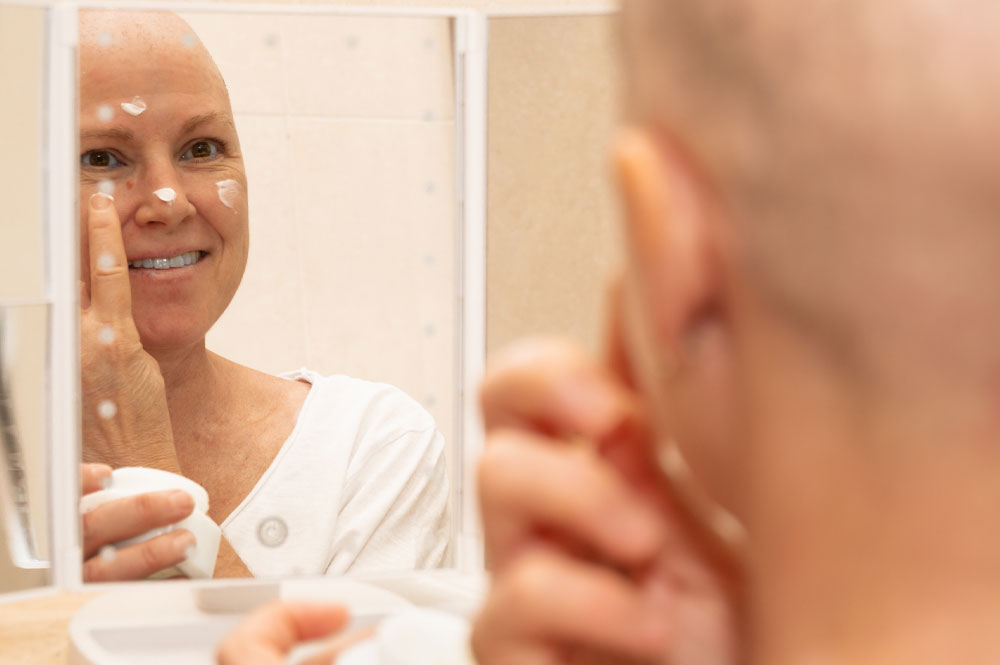
I always send a follow-up email the day after a facial to check in on how the skin is looking and feeling. I’ll close with a note I received from a client who is currently navigating infusion therapies after cancer treatment. She’s an absolute gem, and seeing her name on my schedule always brightens my day. The day after her restorative oncology facial, leaving with a few Hale & Hush samples including the Vital Lipid Lotion, she sent me this message:
“Laura! I think that was good for my heart. I came home and fell asleep! My skin felt so soft. I took a shower today and put on some lipids under the SPF. I don’t know if that’s the proper order, but we took a little hike and it put something between me and the wind.”